Introduction
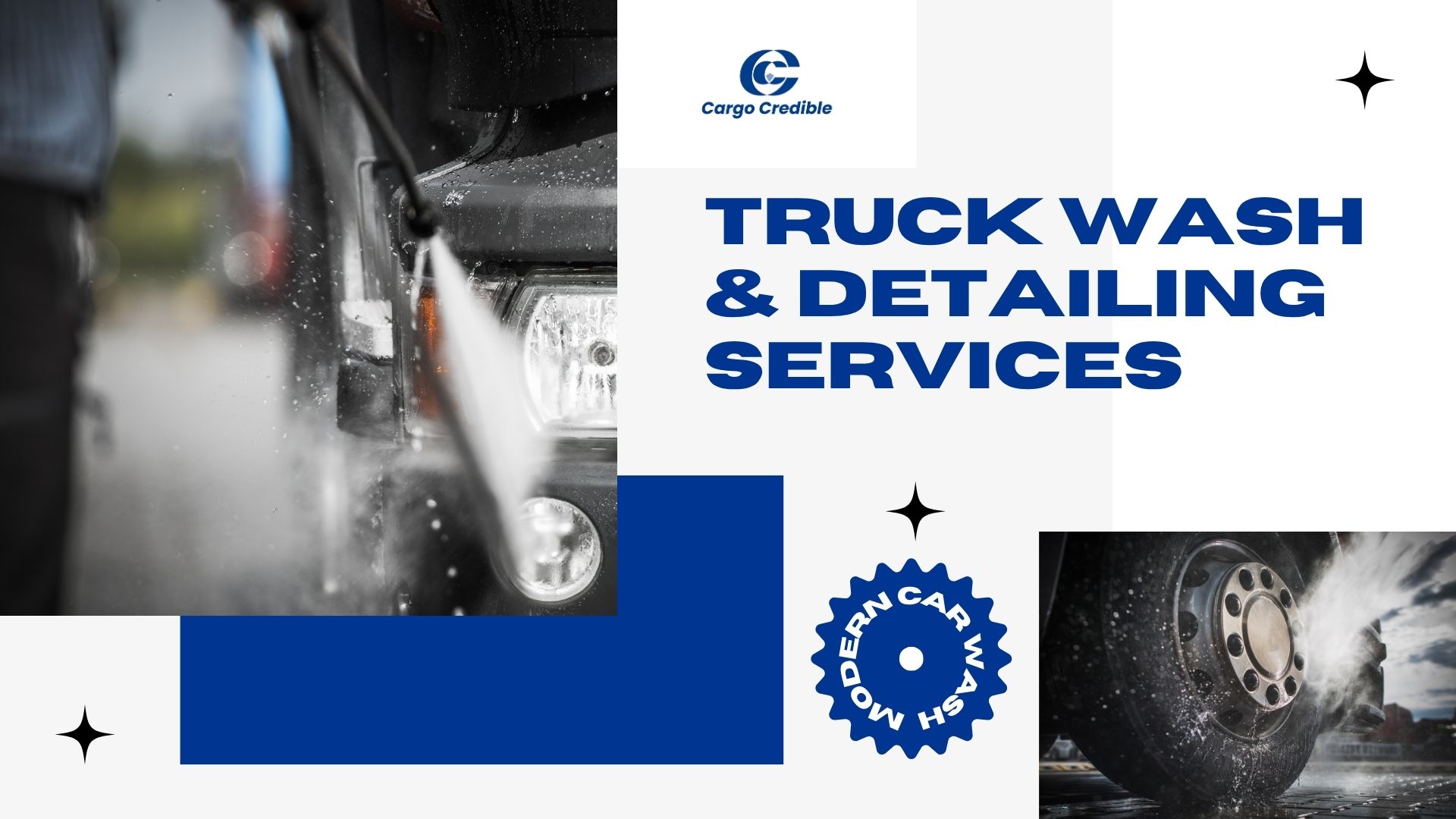
Truck wash and detailing services have evolved into a critical operational component of the global trucking industry. What was once considered a cosmetic or optional activity is now recognized as a strategic necessity for fleet performance, regulatory compliance, and brand positioning. This article explores the current state of the truck wash and detailing sector using recent data, focusing on market trends, operational value, financial impact, and competitive dynamics.
Market Size and Growth
The global heavy-duty truck wash market was valued at approximately USD 1.5 billion in 2023 and is projected to reach about USD 2.4 billion by 2032, growing at a CAGR of 5.3%. Mobile truck wash services are expanding even faster, with projections showing growth from USD 1.2 billion in 2024 to USD 2.45 billion by 2033. Automated truck washing systems are also seeing strong adoption, driven by efficiency gains and labor cost reduction.
In the United States alone, the truck washing industry is estimated at around $12 billion, indicating strong demand from a large fleet base. Logistics and transportation companies account for over 65% of mobile wash service revenue, highlighting the importance of fleet contracts in driving industry growth.
Key Industry Trends and Technology
Technology is reshaping truck wash services. Approximately 55% of fleets have adopted automated wash systems, achieving up to nine times faster cleaning compared to manual washing. Touchless systems are becoming increasingly popular due to reduced risk of damage and lower labor requirements.
Mobile truck wash services are expanding rapidly, offering on-site cleaning that reduces downtime and improves operational efficiency. Many providers now bundle services such as cab sanitation, trailer washouts, and undercarriage cleaning.
Environmental sustainability is another major trend. Water recycling systems can recover up to 90% of water used, while biodegradable chemicals are becoming standard due to stricter environmental regulations.
Operational Value for Carriers and Drivers
Truck washing delivers measurable operational benefits. Clean fleets enhance brand image and improve relationships with brokers and shippers. Regular washing reduces corrosion caused by road salts, saving billions annually in repair costs.
Fuel efficiency also improves slightly, with studies showing gains of 0.3 to 1.0 MPG due to reduced aerodynamic drag. Maintenance costs can drop by up to 20% when regular washing programs are implemented. Additionally, clean vehicles are less likely to undergo intensive inspections, reducing delays.
Driver satisfaction is another key benefit. Clean and well-maintained cabs contribute to comfort and can improve retention in a highly competitive labor market.
Value for Brokers and Shippers
Brokers and shippers increasingly view cleanliness as a proxy for reliability and professionalism. Clean trucks enhance brand perception, especially in sectors like food, retail, and pharmaceuticals. Many shippers now require documented wash schedules as part of compliance and onboarding processes.
Regular washing also supports compliance by making it easier to detect mechanical issues and ensuring vehicles meet inspection standards. For companies focused on sustainability, working with carriers that use eco-friendly washing systems supports ESG goals.
Service Provider Economics
Truck wash businesses operate on a mix of volume and efficiency. Basic washes are low-margin but high-frequency services, while detailing and premium services offer higher margins. Pricing varies by region, but fleet contracts and subscription models provide stable revenue streams.
Automation plays a key role in profitability. Facilities washing more than 40 trucks per week can achieve ROI within 18 to 24 months. Mobile operations, while less capital-intensive, rely heavily on operational efficiency and route optimization.
Competitive Analysis of Top Truck Wash Companies
The truck wash industry is highly fragmented, but several major players and models stand out:
1. Blue Beacon Truck Wash: One of the largest truck wash chains in North America, known for fixed-location services at truck stops. Strength lies in nationwide coverage and consistent service quality.
2. Fleet Clean: A leading mobile truck wash provider specializing in fleet contracts. Competitive advantage includes on-site service and strong customer relationships.
3. Quality Fleet Services: Focuses on mobile washing and detailing with an emphasis on environmental compliance and water recovery systems.
4. WashTec: A global leader in automated wash equipment manufacturing. Strong in technology innovation and large-scale system installations.
5. Hydro-Chem Systems: Known for advanced cleaning chemicals and integrated wash solutions. Focuses on sustainability and efficiency.
These companies compete on speed, pricing, technology, environmental compliance, and service flexibility. Mobile providers are gaining ground due to convenience, while fixed-location operators benefit from scale and throughput.
Challenges in the Industry
Despite strong growth, the industry faces several challenges. High capital costs limit entry into automated systems. Environmental regulations require investment in water treatment and compliance systems. Labor shortages continue to push automation adoption.
Market fragmentation leads to inconsistent service quality, while water scarcity and permitting restrictions affect operations in certain regions. These challenges create both risks and opportunities for innovation.
Future Outlook (2026–2030)
The future of truck wash and detailing services is closely tied to broader logistics trends. Growth is expected to remain steady, driven by increasing freight demand and fleet expansion. Automation, sustainability, and digital integration will define the next phase of the industry.
Subscription-based models, mobile services, and integrated fleet maintenance solutions will become more common. Emerging markets, particularly in Africa and Asia, present significant growth opportunities due to underdeveloped infrastructure and rising logistics demand.
Conclusion
Truck wash and detailing services are no longer optional but essential for modern trucking operations. They contribute to operational efficiency, regulatory compliance, and brand value. As the industry continues to evolve, businesses that invest in technology, sustainability, and customer-focused solutions will be best positioned to succeed.
Comments (0)
Leave a comment
Sign in to leave a comment.