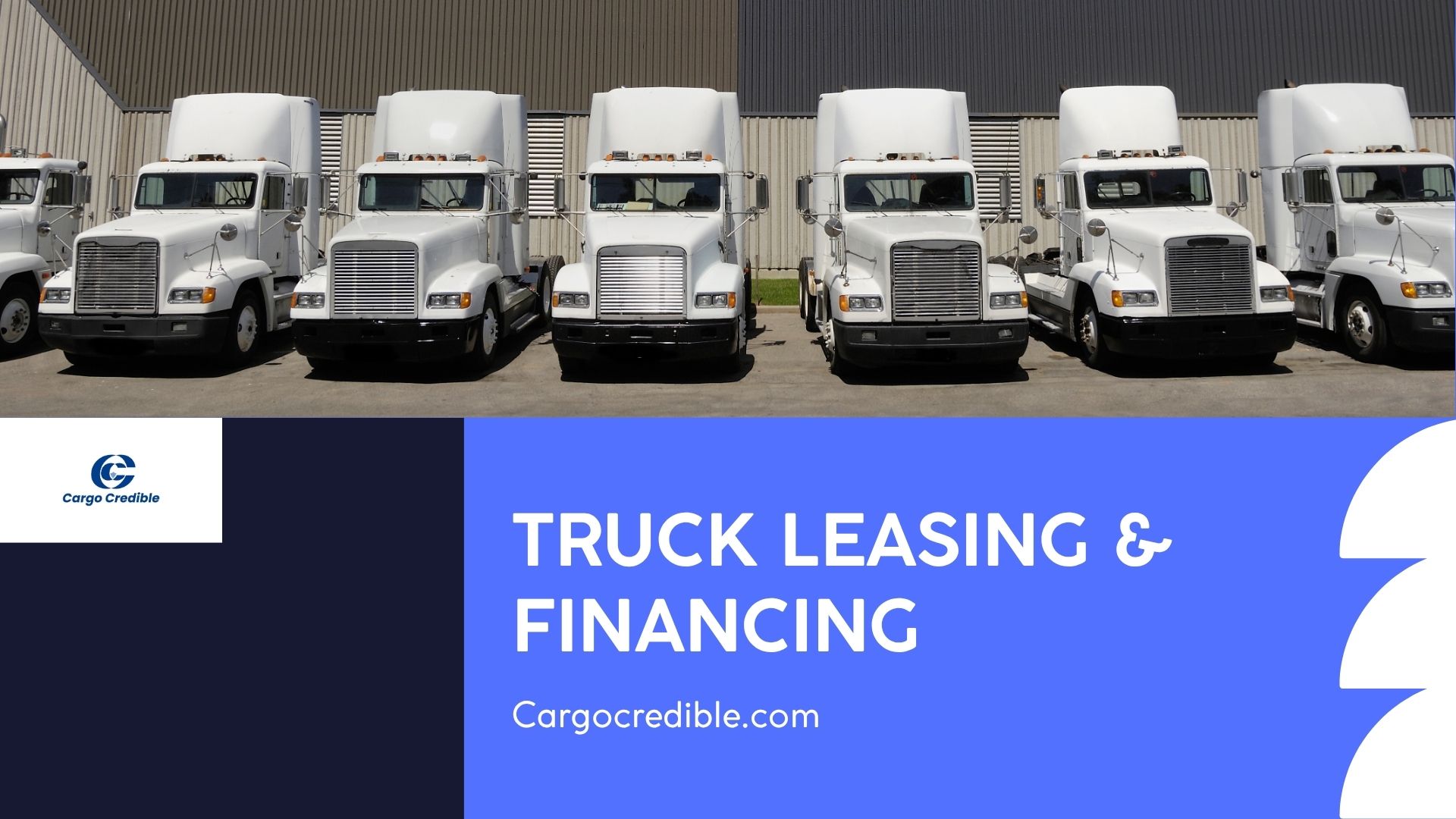
Truck leasing and financing have become central pillars of the modern trucking industry. As equipment costs rise and freight markets fluctuate, carriers, drivers, and logistics stakeholders are increasingly relying on flexible financing structures to stay competitive. What was once a simple choice between buying or leasing has evolved into a complex ecosystem of financial tools, data-driven decision-making, and strategic asset management.
The global truck leasing market continues to expand steadily, with estimates placing its value between $137 billion and $150 billion in 2025, and projections suggesting it could exceed $260 billion by 2034. This growth is fueled by multiple factors, including the rise of e-commerce, increasing regulatory pressures, and the need for scalable fleet operations. Leasing is no longer just an alternative to ownership—it is becoming a default operational strategy.
One of the most important drivers behind this shift is the rising cost of trucks. New trucks now average close to $190,000, while tariffs and supply chain pressures could push prices even higher. For many operators, especially small fleets and independent drivers, purchasing equipment outright is no longer feasible. Leasing offers a way to access modern equipment without heavy upfront investment.
There are several leasing models available today. Operating leases allow companies to use trucks without taking ownership, typically offering lower monthly payments and greater flexibility. Finance leases, on the other hand, are structured to transfer ownership at the end of the term. Full-service leases bundle maintenance, compliance, and even telematics into a single package, reducing operational complexity and downtime.
In recent years, new financing models have emerged. Subscription-based trucking and pay-per-mile leasing are gaining traction, especially among fleets dealing with unpredictable demand. These models allow businesses to scale operations up or down quickly, aligning costs with actual usage. Fintech platforms are also transforming the landscape by offering faster approvals, flexible terms, and alternative credit scoring methods.
From a cost perspective, operating a truck remains expensive. Average costs are around $2.26 per mile, with fuel, insurance, maintenance, and lease payments contributing significantly. Monthly lease payments alone can range from $1,200 for older used trucks to over $3,000 for new models. When combined with fuel and insurance, total monthly expenses for an owner-operator can exceed $10,000.
Despite these costs, leasing offers several advantages. It improves cash flow by eliminating large upfront payments and provides predictable monthly expenses. It also allows access to newer, more efficient trucks, which can reduce fuel consumption and maintenance issues. For many businesses, this translates into higher uptime and better service reliability.
However, leasing is not without its challenges. Excess mileage fees, maintenance reserves, and early termination penalties can increase costs significantly if not managed properly. Interest rate fluctuations and economic uncertainty also impact financing decisions, often leading businesses to extend loan terms and increase total interest paid.
Regulation is another critical factor shaping the industry. Recent legislative efforts have focused on protecting drivers from predatory lease-to-own programs. At the same time, environmental regulations are pushing fleets toward cleaner technologies, including electric trucks. While these vehicles offer long-term benefits, their high upfront costs require innovative financing solutions.
Technology is playing an increasingly important role in truck leasing and financing. Telematics and artificial intelligence are being used to analyze driver behavior, route efficiency, and vehicle performance. This data allows lenders to assess risk more accurately and offer personalized financing options. It also helps fleets optimize operations and reduce costs.
For carriers and drivers, leasing provides a pathway to growth without heavy capital investment. Lease-to-own programs, in particular, offer an entry point into ownership for new operators. Brokers and shippers benefit indirectly, as leasing enables carriers to maintain reliable capacity and meet service demands. Service providers, meanwhile, are finding new opportunities in bundled offerings such as maintenance and fleet management.
Strategically, many companies are adopting a balanced approach. A mix of owned and leased assets allows them to manage risk while maintaining flexibility. High-growth fleets often lean toward leasing, while established companies with stable operations may prefer ownership. The right strategy depends on factors such as market conditions, operational needs, and financial goals.
Looking ahead, several trends are expected to shape the future of truck leasing and financing. The industry is moving toward an asset-light model, where flexibility and efficiency take precedence over ownership. Financing is becoming a competitive advantage, with access to capital determining the ability to scale and survive. Electrification will continue to drive innovation in financing, as fleets seek cost-effective ways to transition to cleaner technologies.
In conclusion, truck leasing and financing are no longer just financial decisions—they are strategic tools that influence every aspect of trucking operations. As the industry continues to evolve, businesses that embrace flexible, data-driven financing solutions will be better positioned to navigate uncertainty and capitalize on new opportunities.
Comments (0)
Leave a comment
Sign in to leave a comment.