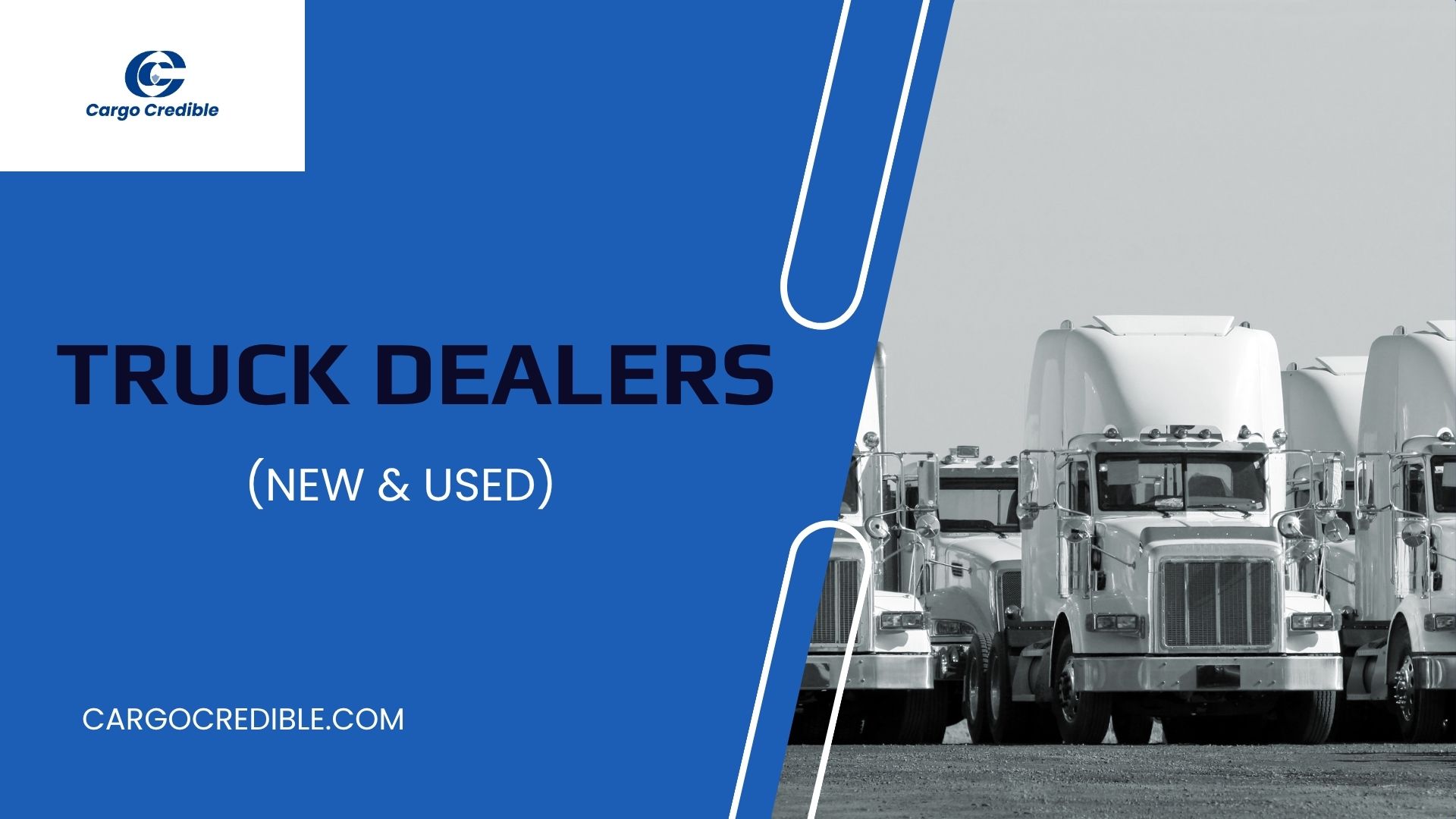
The trucking industry is going through a quiet but powerful transformation. While much of the attention often goes to fleets, technology, or freight rates, there is one group that sits right at the center of it all—truck dealers.
Truck dealers, both new and used, are no longer just places where people go to buy vehicles. Today, they are financial partners, service providers, technology enablers, and even strategic advisors to businesses across the supply chain. Whether you are a driver looking for your first truck, a broker trying to secure capacity, or a researcher studying industry trends, truck dealers have become impossible to ignore.
A Market Driven by Affordability and Reality
One of the biggest shifts in the industry today is the rapid growth of the used truck market. In 2025, the global used truck market was valued at roughly $50–58 billion, and projections show it could exceed $100 billion by 2035. That’s not just growth—it’s a clear signal of changing priorities.
Why is this happening?
The answer is simple: cost. A new truck today can cost anywhere between $170,000 and $200,000. In contrast, a used truck with similar capabilities can be purchased for around $55,000. That’s a massive price gap—often between 50% and 65%. For small fleets and independent drivers, that difference can determine whether they stay in business or expand.
But affordability is only part of the story. Long wait times for new trucks, sometimes stretching from 8 to 14 months, have pushed many buyers toward the used market. Instead of waiting, they choose what is available now. Used trucks are no longer seen as second-best. They are now part of a smart business strategy.
Truck Dealers as Strategic Partners
Truck dealers serve different roles depending on who you are in the industry. For carriers and owner-operators, dealers provide access to both new and used trucks, along with financing options that make ownership possible. Many dealers now offer flexible payment plans—such as deferred payments, zero-interest financing, and long-term loans that can extend up to eight years. These options help drivers manage cash flow while still growing their operations.
Used truck dealers, in particular, offer trucks with documented maintenance histories, often sourced from large fleets. This gives buyers confidence in what they are purchasing. For brokers and shippers, truck dealers play a different role. They act as a backup system when capacity becomes tight. If a broker needs trucks quickly due to a sudden spike in demand or delays in new truck deliveries, dealer networks can step in. Some dealers even operate as hybrid brokers, sourcing trucks from multiple locations and matching them with buyers.
For service providers, dealers have become important partners. Many trucks today come equipped with telematics systems—tools that track location, fuel usage, and performance. Dealers are increasingly selling trucks with these systems already installed, making it easier for service providers to integrate their solutions. For researchers and analysts, truck dealers offer valuable data points. Metrics like sales volume, inventory turnover, and pricing trends provide insights into the health of the entire trucking industry.
The Rise of Digital Truck Sales
One of the most noticeable changes in recent years is how trucks are bought and sold. In the past, buying a truck meant visiting a dealership, inspecting vehicles in person, and negotiating face-to-face. Today, much of that process happens online.
Modern truck dealers now offer:
- High-quality photos and videos
- Virtual walkaround inspections
- Detailed maintenance and performance reports
- Online financing applications
Buyers can browse inventory, compare prices, and even complete purchases without ever leaving their location. This digital shift has made the market more transparent. Buyers have more information, and dealers must compete more aggressively on price and quality.
How Dealers Run Their Business Today
Behind the scenes, truck dealerships have become highly sophisticated operations.
They rely on a range of tools to manage daily activities:
- Inventory systems track trucks across multiple locations in real time
- Pricing tools analyze market data to set competitive prices
- CRM systems help manage customer relationships and sales pipelines
- Telematics data adds value by showing how a truck has been used
These tools allow dealers to operate more efficiently and respond quickly to market changes. Dealers also manage logistics, including transporting trucks across regions and handling cross-border documentation—especially important for export markets like Africa.
A Shift in Revenue Models
In the past, truck dealers made most of their money from selling vehicles. That is no longer the case. Today, a large portion of dealer revenue comes from:
- Maintenance and repair services
- Parts sales
- Financing and insurance products
This shift is especially important during slow sales periods. When fewer new trucks are being sold, dealers rely on service and used truck sales to maintain profitability.
Market Trends Shaping 2026
Several key trends are defining the current landscape:
1. The Shift Toward Used Trucks
Used trucks are becoming the preferred option for many buyers due to cost and availability.
2. Digital Transformation
Dealers are becoming hybrid businesses, combining physical locations with strong online platforms.
3. Flexible Ownership Models
Options like leasing, rentals, and even “Truck-as-a-Service” are becoming more common.
4. Electrification
Electric trucks are still emerging, but they will eventually change how trucks are sold, maintained, and resold.
5. Inventory Volatility
Fluctuations in new truck production directly affect the supply of used trucks.
Challenges Facing Truck Dealers
Despite their importance, truck dealers face several challenges.
- Weak freight demand reduces the need for new trucks
- Regulatory pressures increase costs and complexity
- Tariffs and supply chain issues make pricing unpredictable
- Technology adoption can be difficult, with many AI initiatives failing to deliver results
Additionally, the trucking industry is currently experiencing a prolonged freight slowdown, which affects dealer performance.
Opportunities in a Changing Market
Even with these challenges, there are strong opportunities.
- Used truck sales are growing rapidly
- Export markets (especially in Africa and Latin America) are expanding
- Service demand is rising as fleets keep trucks longer
- Digital platforms allow dealers to reach customers worldwide
Dealers that adapt to these changes are likely to perform well.
What This Means for Different Players
For drivers and carriers, this is a good time to explore used trucks and flexible financing options.
For brokers and shippers, dealer networks can provide backup capacity during peak periods.
For service providers, aging trucks mean more demand for maintenance and repair services.
For researchers, the industry offers valuable insights into economic cycles, technology adoption, and market behavior.
The Bigger Picture
Truck dealers are no longer just sellers of equipment. They have become central players in the trucking ecosystem.
They distribute assets, provide financing, deliver services, and offer insights into market trends. In many ways, they act as the connection point between manufacturers, fleets, and the broader logistics industry.
As the trucking world continues to evolve, one thing is clear: truck dealers will continue to play a critical role in shaping its future.
Comments (0)
Leave a comment
Sign in to leave a comment.