Introduction
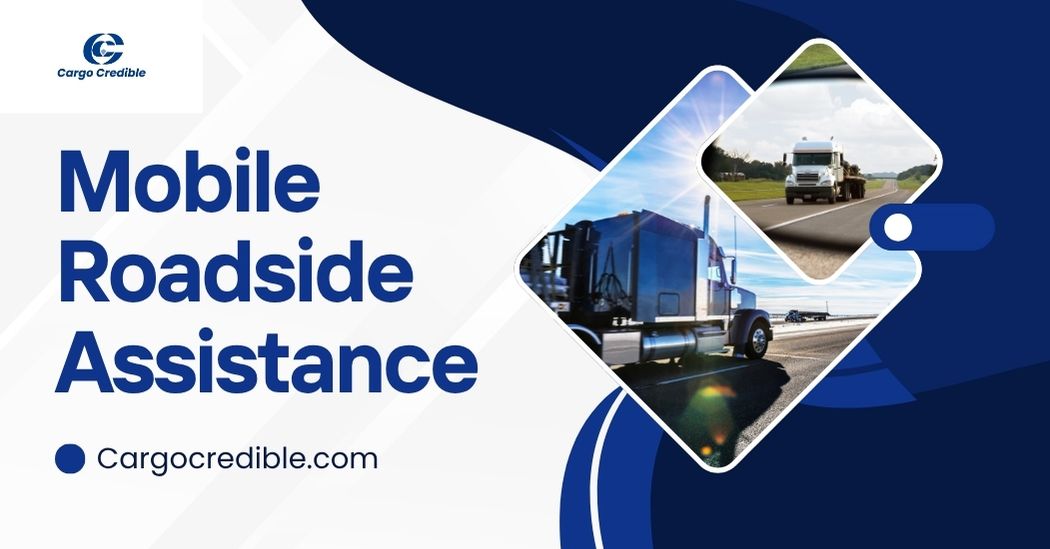
In today’s fast-moving logistics environment, the trucking industry serves as the backbone of global trade and economic activity. Every day, millions of trucks move goods across highways, cities, and borders. However, with this immense scale comes inevitable operational challenges, one of the most critical being vehicle breakdowns. This is where Mobile Roadside Assistance (MRA) has emerged as a vital solution.
Mobile Roadside Assistance is no longer just an emergency response service. It has evolved into a technology-driven, highly coordinated system that ensures trucks remain operational, drivers stay safe, and supply chains continue to function without major disruptions. With increasing pressure on delivery timelines and rising operational costs, MRA has become an essential business tool rather than an optional support service.
Market Growth and Industry Importance
The global roadside assistance market continues to show steady growth, reflecting its importance in modern transportation systems. In 2026, the market is valued between $28.7 billion and $32.8 billion, with projections indicating continued expansion over the next decade. This growth is driven by increased vehicle ownership, expansion of logistics networks, and the growing demand for uptime in commercial operations.
Commercial vehicles, particularly trucks, represent one of the fastest-growing segments within this market. Unlike passenger vehicles, trucking operations rely heavily on strict schedules and tight delivery windows. Any breakdown can lead to significant financial losses, making roadside assistance a critical component of operational planning.
Towing remains the largest service category, accounting for a substantial share of revenue. However, there is a growing shift toward mobile repair services, which aim to fix issues on-site and reduce the need for costly and time-consuming towing operations.
Core Services in Mobile Roadside Assistance
Mobile roadside assistance programs for trucks include a wide range of services designed to address both minor and major issues. These services typically include heavy-duty towing, mobile on-site repairs, battery jumpstarts, fuel delivery, tire replacement, lockout assistance, and winching or recovery operations.
In the trucking sector, on-site repair is often prioritized over towing. This is because towing a heavy truck, especially with cargo, can be extremely expensive and time-consuming. Mobile technicians equipped with specialized tools can often resolve issues directly on the roadside, allowing drivers to resume their journey quickly.
These services are supported by extensive networks of service providers operating around the clock. The availability of 24/7 assistance is particularly important for long-haul drivers who may experience breakdowns in remote or unfamiliar locations.
Cost Structure and Financial Considerations
The cost of roadside assistance for trucks can vary significantly depending on the type of service required. A single roadside event can cost anywhere from $300 to over $1,000, while heavy-duty towing alone may exceed $2,500 in complex situations.
To manage these costs, many carriers and owner-operators opt for subscription-based roadside assistance plans. These plans typically range from $150 to $500 per vehicle annually, offering a more predictable and manageable expense structure.
Hybrid pricing models are also common, combining base fees with mileage charges and hourly labor rates. While these models provide flexibility, they can also lead to higher overall costs if not carefully managed. As a result, transparency in pricing has become a key expectation among carriers and fleet managers.
Response Time and Operational Efficiency
Response time is one of the most critical performance indicators in mobile roadside assistance. Industry benchmarks suggest that most service providers aim for arrival times between 45 and 60 minutes. In high-density areas, best-in-class providers can achieve response times of under 30 minutes, especially for critical incidents.
However, response times can extend to 90 minutes or more in rural or remote areas due to limited service coverage. This highlights the importance of building strong provider networks and leveraging technology to improve dispatch efficiency.
Telematics and GPS tracking have significantly enhanced response capabilities. By automatically sharing a vehicle’s location and diagnostic data, these systems enable faster and more accurate dispatch decisions, reducing delays and improving overall service quality.
Technology and Digital Transformation
Technology is at the heart of modern mobile roadside assistance. Mobile apps and digital platforms now allow drivers to request assistance, track service providers in real time, and receive cost estimates before work begins.
Telematics systems integrated into trucks provide real-time data on vehicle health, enabling predictive maintenance and early detection of potential issues. This shift from reactive to proactive service is transforming how roadside assistance is delivered.
Artificial intelligence is also playing a growing role, optimizing dispatch processes and improving resource allocation. These advancements not only reduce response times but also enhance the overall efficiency of roadside assistance operations.
Role in Risk Management and Compliance
Mobile roadside assistance plays a crucial role in risk management for trucking companies. By addressing minor issues before they escalate, it helps reduce insurance claims and operational disruptions.
Many insurance providers now include roadside assistance as part of their coverage, making it a standardized benefit rather than an additional expense. This integration simplifies cost management and improves the overall reliability of fleet operations.
In addition, regulatory standards related to vehicle maintenance and safety are becoming increasingly stringent. While roadside assistance is not directly mandated, its ability to support compliance efforts makes it an essential component of modern fleet management strategies.
Impact on Key Stakeholders
Mobile roadside assistance delivers significant value to various stakeholders within the trucking ecosystem. For carriers and drivers, it reduces downtime, enhances safety, and provides peace of mind during long journeys.
Brokers and shippers benefit from improved reliability and reduced delays, which are critical for maintaining strong customer relationships and meeting service-level agreements. Service providers gain access to a steady stream of work through digital platforms, enabling them to scale their operations and improve efficiency.
For researchers and industry analysts, roadside assistance offers valuable insights into operational trends, cost structures, and the broader dynamics of the trucking industry.
Challenges and Industry Constraints
Despite its growth, the mobile roadside assistance industry faces several challenges. One of the most significant issues is the fragmentation of service networks, particularly in emerging markets. This can lead to inconsistent service quality and limited coverage in certain regions.
Labor shortages also pose a challenge, as skilled technicians are essential for handling complex repairs. Additionally, the high cost of equipment required for heavy-duty towing and repairs can limit the ability of smaller providers to compete effectively.
Another key challenge is the lack of standardization across platforms and service providers. This can create inefficiencies and complicate coordination between different stakeholders.
Future Trends and Opportunities
The future of mobile roadside assistance is shaped by innovation and evolving industry needs. Predictive maintenance, powered by AI and telematics, is expected to become a standard feature, reducing the frequency of breakdowns and improving fleet reliability.
The rise of electric trucks introduces new challenges and opportunities, requiring specialized support services such as mobile charging and battery diagnostics. At the same time, the concept of “Roadside-as-a-Service” is gaining traction, integrating roadside assistance into broader logistics and fleet management systems.
Emerging markets, particularly in Africa, present significant growth opportunities. With increasing fleet sizes and limited existing infrastructure, mobile-first roadside solutions have the potential to transform the industry in these regions.
Conclusion
Mobile roadside assistance has evolved into a critical component of the trucking industry, supporting operational efficiency, safety, and reliability. As technology continues to advance and industry demands grow, its role will only become more significant.
For carriers, brokers, service providers, and researchers alike, understanding the dynamics of mobile roadside assistance is essential for navigating the complexities of modern logistics. By embracing innovation and addressing existing challenges, the industry can continue to deliver value and drive progress in the years ahead.
Comments (0)
Leave a comment
Sign in to leave a comment.