Transportation Management Systems (TMS) in the Trucking Industry
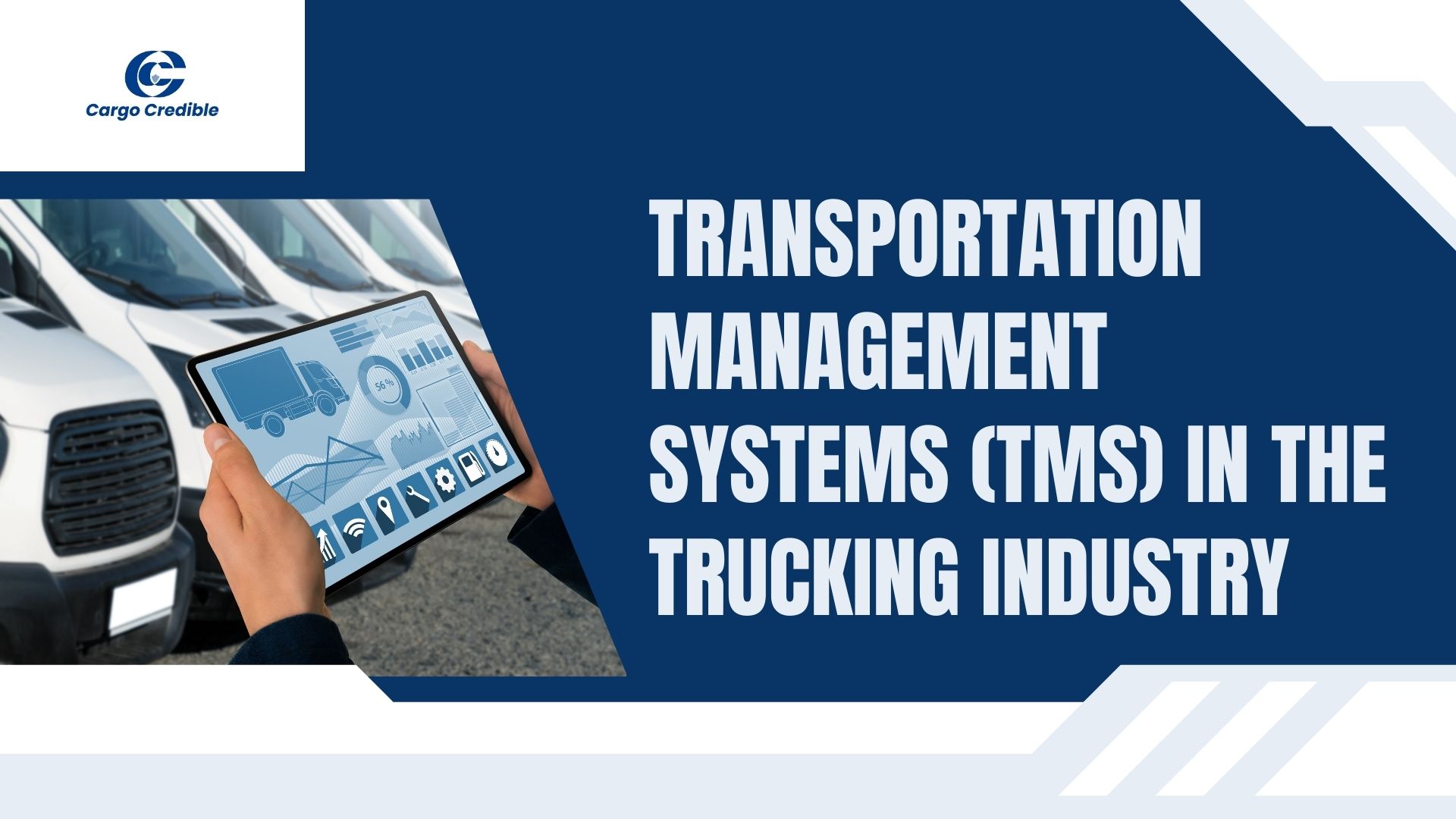
Transportation Management Systems (TMS) have become one of the most important tools in the modern trucking and logistics industry. What started years ago as simple software for routing trucks and handling freight bills has now evolved into a powerful digital backbone that supports daily decision-making across the entire supply chain.
Today, a TMS is best described as the central nervous system of trucking operations. It connects carriers, drivers, brokers, shippers, and service providers through one platform, pulling data from electronic logging devices (ELDs), telematics, freight marketplaces, warehouses, and financial systems. This integration allows companies to plan, execute, monitor, and optimize transportation activities in real time.
As of 2025–2026, the importance of TMS has grown rapidly due to tighter margins, higher fuel costs, driver shortages, stricter compliance rules, and rising customer expectations for speed and visibility. For many businesses, operating without a TMS is no longer practical or competitive.
Market Growth and Industry Adoption
The global market for Transportation Management Systems continues to expand at a strong pace. Industry research shows that the TMS market was valued in the tens of billions of dollars by 2025 and is expected to more than double over the next decade. This growth is driven by increased freight volumes, e-commerce expansion, and the need for real-time, data-driven logistics decisions.
In North America, trucking leads TMS adoption. Large for-hire carriers with over 100 trucks have adoption rates above 80 percent. Brokers, third-party logistics providers, and enterprise shippers show near-universal usage. The fastest-growing segment, however, is small carriers with 1 to 10 trucks. Thanks to cloud-based and subscription TMS platforms, more than one-third of small carriers now use a TMS, a number that continues to rise each year.
For shippers and brokers, TMS adoption is no longer about cost savings alone. The primary driver is real-time and predictive visibility. Companies want to know where freight is, when it will arrive, what risks exist, and how to respond before problems happen.
How TMS Has Evolved
Modern TMS platforms look very different from older, on-premise systems. Most new deployments are cloud-native, meaning they can be accessed from anywhere and updated continuously without major IT projects. Many are offered as Software-as-a-Service (SaaS) or Platform-as-a-Service (PaaS), allowing users to pay monthly and scale features as their business grows.
Artificial intelligence and machine learning are now core components rather than optional extras. These technologies help analyze massive volumes of data, recognize patterns, and recommend actions. Instead of simply showing reports, modern TMS platforms help users decide what to do next.
Key Functional Capabilities in 2025–2026
One of the most significant changes in TMS functionality is the deep integration of artificial intelligence. AI-driven pricing tools analyze spot market trends, fuel costs, lane history, and demand spikes to recommend optimal freight rates. This has improved pricing accuracy and reduced guesswork for both carriers and brokers.
Predictive estimated time of arrival (ETA) has also improved significantly. By analyzing traffic, weather, historical performance, and driver hours-of-service data, modern TMS platforms can predict arrival times within a narrow window. This helps reduce missed appointments, detention, and customer frustration.
Visibility is now a core feature rather than an add-on. TMS platforms track shipment location in real time and increasingly monitor temperature, humidity, shock, and dwell times at docks. For sensitive or high-value freight, this level of monitoring is becoming essential.
Automation is another major trend. Many loads can now be matched, tendered, accepted, and dispatched with minimal or no human involvement. Automated document capture uses AI to read bills of lading and proof of delivery documents, speeding up invoicing and reducing disputes. In some cases, carriers can receive same-day or next-day payment once delivery is confirmed.
Financial and sustainability tools are also built into modern TMS platforms. Fuel optimization features recommend fueling locations based on price and route efficiency, saving thousands of dollars per truck annually. Carbon analytics automatically calculate emissions per load, helping shippers meet sustainability goals and allowing carriers to market greener services.
Value for Carriers and Drivers
For carriers and drivers, a TMS directly impacts daily operations and quality of life. Driver-focused mobile applications are now a top priority. These apps support paperless inspections, one-touch status updates, digital document uploads, and real-time communication with dispatch.
Many platforms also include digital settlement tools that show drivers upcoming pay, deductions, and access to early pay options. Performance scorecards track metrics like idle time, braking behavior, and on-time delivery, often linked to safety bonuses.
Advanced routing and backhaul optimization help reduce empty miles, which directly improves profitability. Studies show that small and mid-sized carriers can reduce empty miles by up to ten percent using advanced TMS optimization tools.
Importantly, driver-friendly technology has become a retention tool. Carriers using intuitive TMS and driver apps report lower driver turnover, as drivers appreciate transparency, faster pay, and reduced paperwork.
Value for Brokers and Shippers
Brokers and shippers rely on TMS platforms to manage complexity and risk. Automated tendering speeds up carrier selection and rate comparison. Real-time tracking improves communication with customers and reduces the need for constant phone calls and emails.
Risk mitigation tools continuously monitor carrier safety ratings, authority status, and insurance coverage, helping prevent costly mistakes before freight is tendered. Analytics dashboards provide insight into lane performance, carrier reliability, and cost trends, supporting smarter contract negotiations.
Many brokers and shippers now operate transportation control towers through their TMS. These dashboards provide a single view of all shipments across modes, highlighting exceptions that require attention rather than overwhelming users with data.
Value for Service Providers and Technology Vendors
For technology vendors and service providers, TMS represents a growing ecosystem rather than a single product. Open APIs and pre-built integrations are now critical. The value of a TMS depends heavily on how easily it connects with ELDs, telematics platforms, freight marketplaces, ERP systems, and accounting software.
Buyers increasingly prefer modular or composable TMS platforms. This allows them to activate or deactivate features as needed without replacing the entire system. Cybersecurity has also become a baseline requirement, with certifications like SOC 2 now expected in vendor selection processes.
Importance for Researchers, Students, and Journalists
From a research and analysis perspective, TMS platforms are becoming major data aggregators. The strategic value lies not only in software revenue but in the freight market intelligence generated by aggregated transportation data.
There is ongoing debate about the labor impact of automation. While TMS reduces some manual dispatcher and broker tasks, it also creates demand for higher-skilled roles in data analysis, system administration, and customer success.
Data standardization remains a challenge despite widespread API usage. Industry initiatives aimed at improving interoperability are closely watched by researchers and policymakers.
Challenges and Barriers
Despite its benefits, TMS adoption still faces challenges. Small carriers often hesitate due to perceived cost, complexity, and data security concerns. Vendors must demonstrate a fast return on investment and simple onboarding.
Users also report alert fatigue when systems generate too many notifications. AI is increasingly used to prioritize alerts that truly require action.
Integration sprawl is another issue. Managing many software connections can become complex, leading to calls for more standardized frameworks across the industry.
The Future of TMS Beyond 2026
Looking ahead, generative AI is expected to transform how users interact with TMS platforms. Conversational interfaces will allow users to ask questions or issue commands in plain language.
TMS platforms are also becoming systems of record for sustainability and carbon accounting, influencing financing decisions and shipper partnerships. Blockchain technology, while still limited, is being tested for secure recordkeeping and automated payments.
As electric and autonomous vehicles expand, TMS platforms will need to manage charging schedules, range limitations, and mixed fleets of human-driven and autonomous trucks.
Conclusion
Transportation Management Systems have evolved into essential business tools for the trucking industry. They support efficiency, visibility, compliance, sustainability, and profitability across the transportation ecosystem. As technology continues to advance, TMS will play an even greater role in shaping how freight moves in the years ahead.
Comments (0)
- No comments yet.